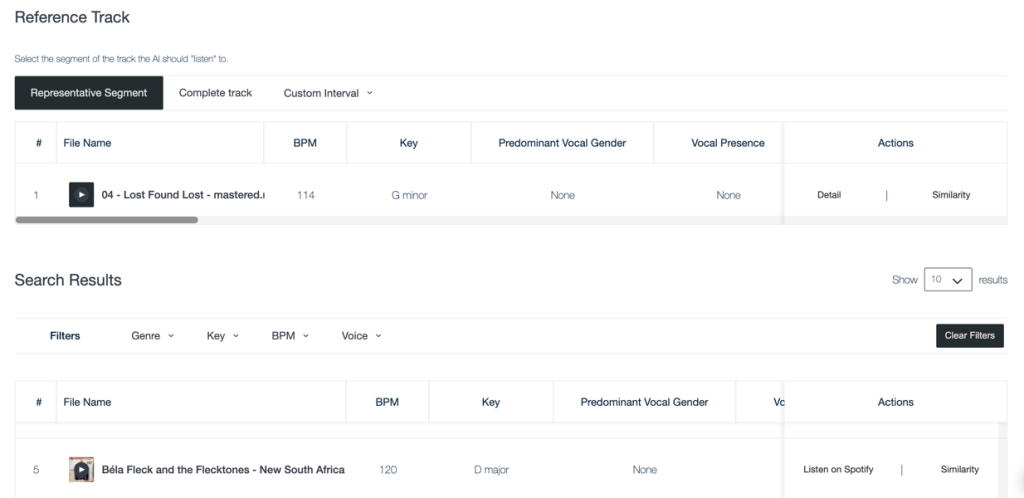

So, which is my favorite track on my album, Regretfulnot? It’s Lost Found Lost.
It’s the fourth track, if you listen to the album in order, which you should because the tracks represent sequentially the feelings and types of experiences I felt discovering, living in, and leaving Halifax, Nova Scotia.
Lost Found Lost tells a story about community: needing it, not having it, finding it, losing it, and building it again. It’s an experience I’ve had over again in my life. I’m pretty good at connecting with people once I can meet them. But it can take me a while to meet people. And then I have an unfortunate tendency to lose touch when I move, which has frequently occurred in my life. I’ve not been able to break this pattern. Even now, back in Seattle—a place I’ve lived in before multiple times and have been now for 9 months—I have barely re-connected with people I knew living here before, haven’t connected much with new people, or started building a community around me. But, just like many times before, I will make the connections I want and need—that we all need, especially nowadays. This time, I don’t plan on leaving Seattle. However, I didn’t expect to leave Halifax or Seattle before that. Life is uncertainty and lived in transitions.
Lost Found Lost combines a repetitive mandolin riff—an ostinato—with sounds created from granular processing of that riff. It’s a short, not-quite-melody I casually recorded in my Halifax living room on a little recorder I mentioned previously. The unprocessed ostinato represents having community. You hear it immediately after a tension-building drone that starts the track. The various processed versions of the ostinato represent the loss and search for community. These elements become more and less recognizable along the way after the original riff. The climax is finding community again. It ends unresolved, though; will that community last for me? (Whoops, I spoiled the ending.)
Across the track, there’s walla of happy people talking, which manifests the metaphor more concretely. These recordings also become more and less obscured. I took those recordings in people’s homes I toured because of an amazing home-studio art tour of the Eastern Shore of Nova Scotia.
The ostinato and walla are two of my three favorite elements of the track. Third is the bass part. It’s the only element on the album I recorded after returning to Seattle and the only element deliberately recorded for the album. The original part couldn’t propel the story. Plus, now that I have a mini-studio to set up my instruments, I was excited to play bass guitar again—the first instrument I performed with, not counting my voice. I was surprised I could still play well since I hadn’t played bass for years—decades with any seriousness. The bass part is likely why Cyanite computes that the track resembles “New South Africa” from Bela Fleck and the Flecktones. I guess the few workshops I took with Victor Wootenpaid off. Haha, I’m light years away from Vic and always will be. But I’ll take the compliment, even if it is from an AI algorithm.